
Lessons from Strong Towns 2026 for PATH
Lately I’ve been struggling with a lot of what’s happening in the world, and layering street and city design on top of that can feel like a self‑inflicted anxiety. In those moments of exasperation, my wife will look at me and say, “Just have fun.”
That phrase kept echoing in my head during my trip to Fayetteville, Arkansas, for the Strong Towns National Convention 2026. For those unaware, Strong Towns is an organization focused on building financially resilient, people‑first communities, check them out. Throughout the convention, in different ways and from different people, I kept hearing the same message, have fun.
My first real taste of that fun was a bonus pre‑convention bike tour on the Razorback Greenway, a long walking and biking path that stitches together several Northwest Arkansas cities. I’d never been to Fayetteville, but as a bike enthusiast it had been on my bucket list, so my expectations were high.
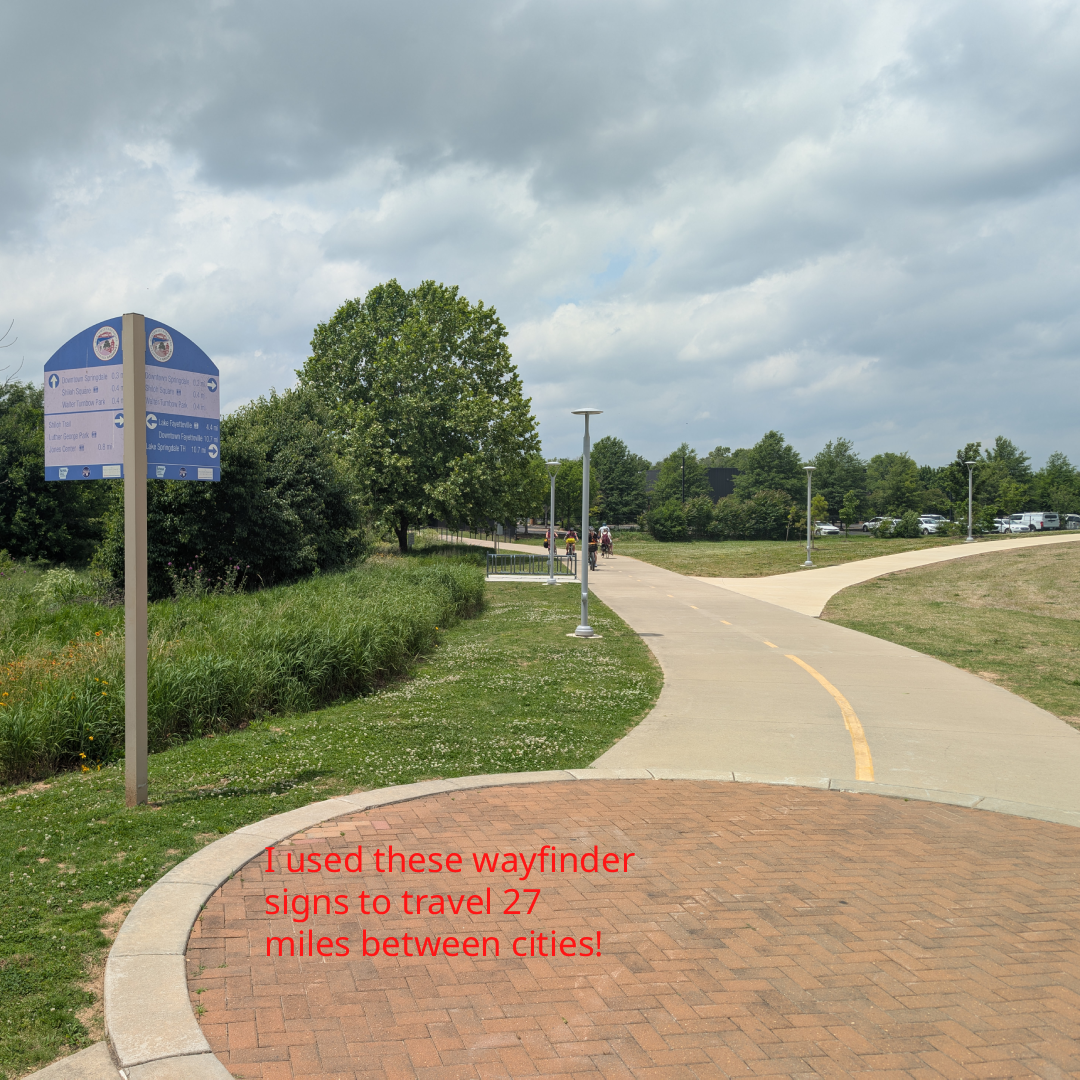
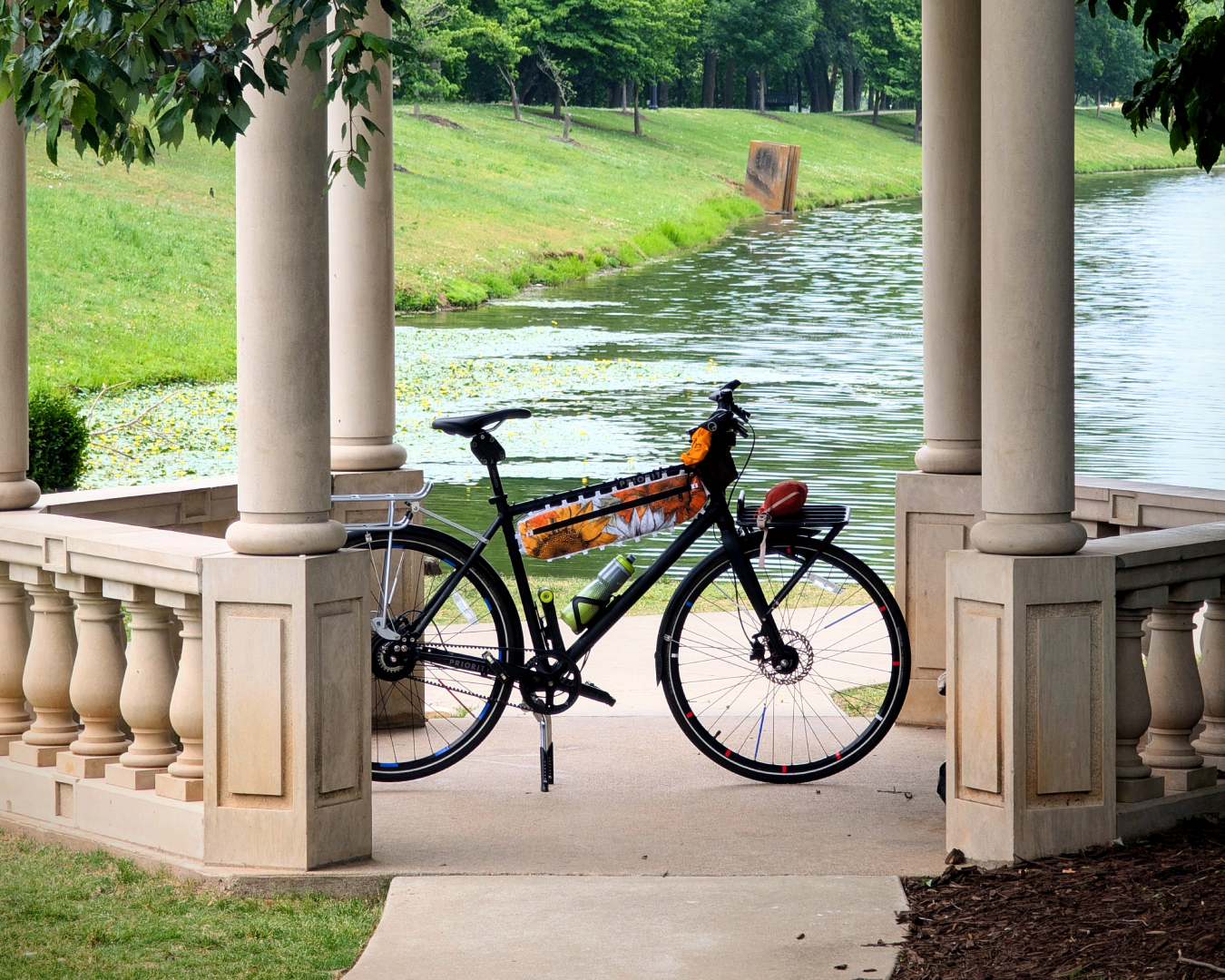
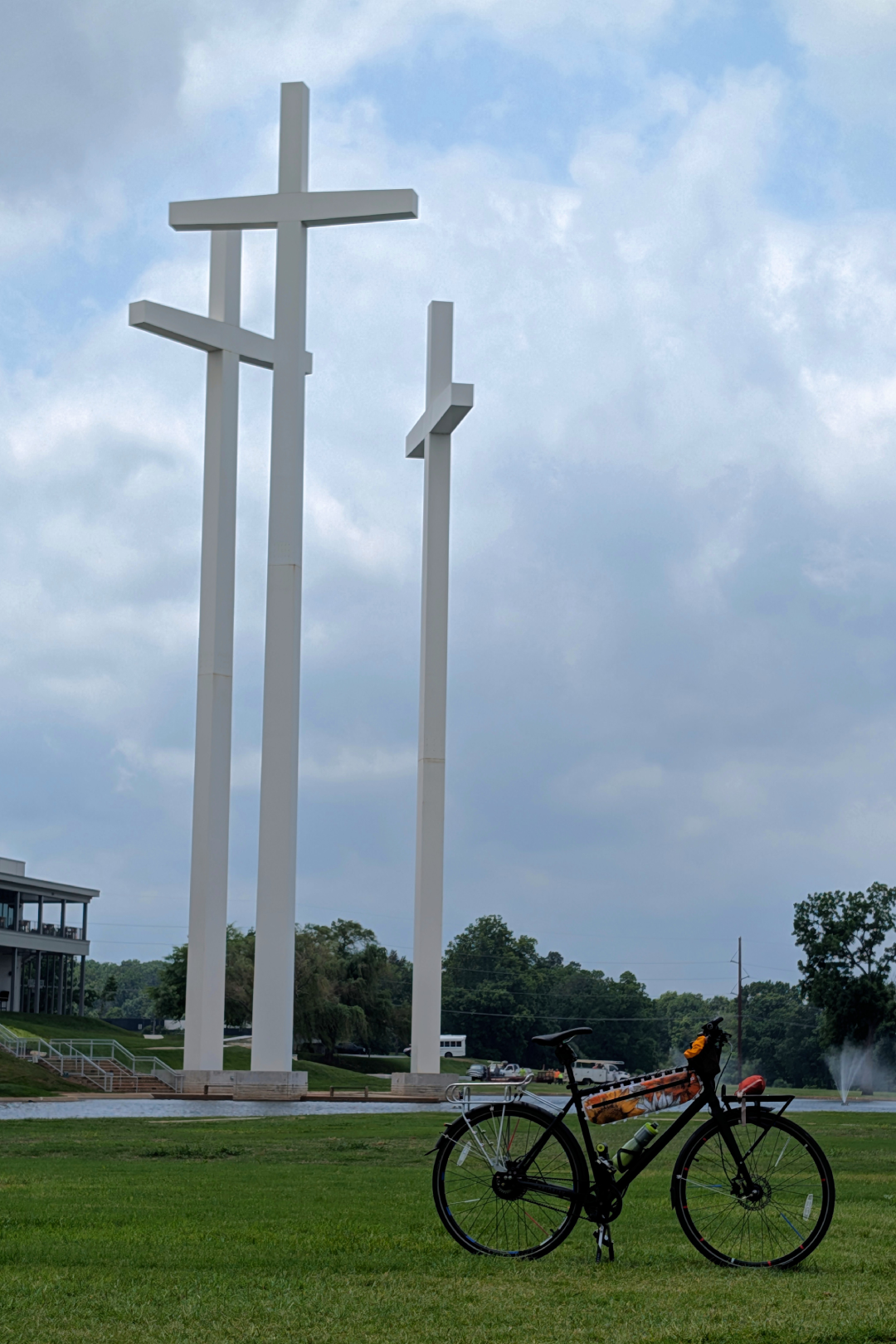
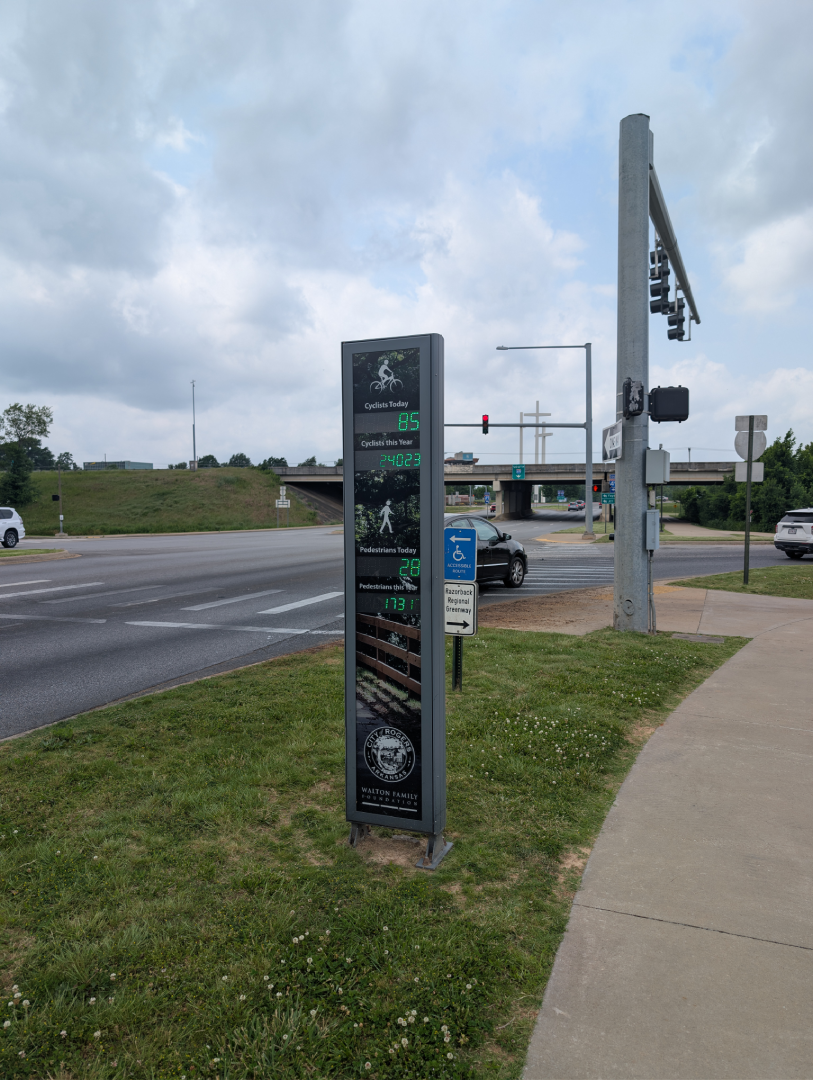
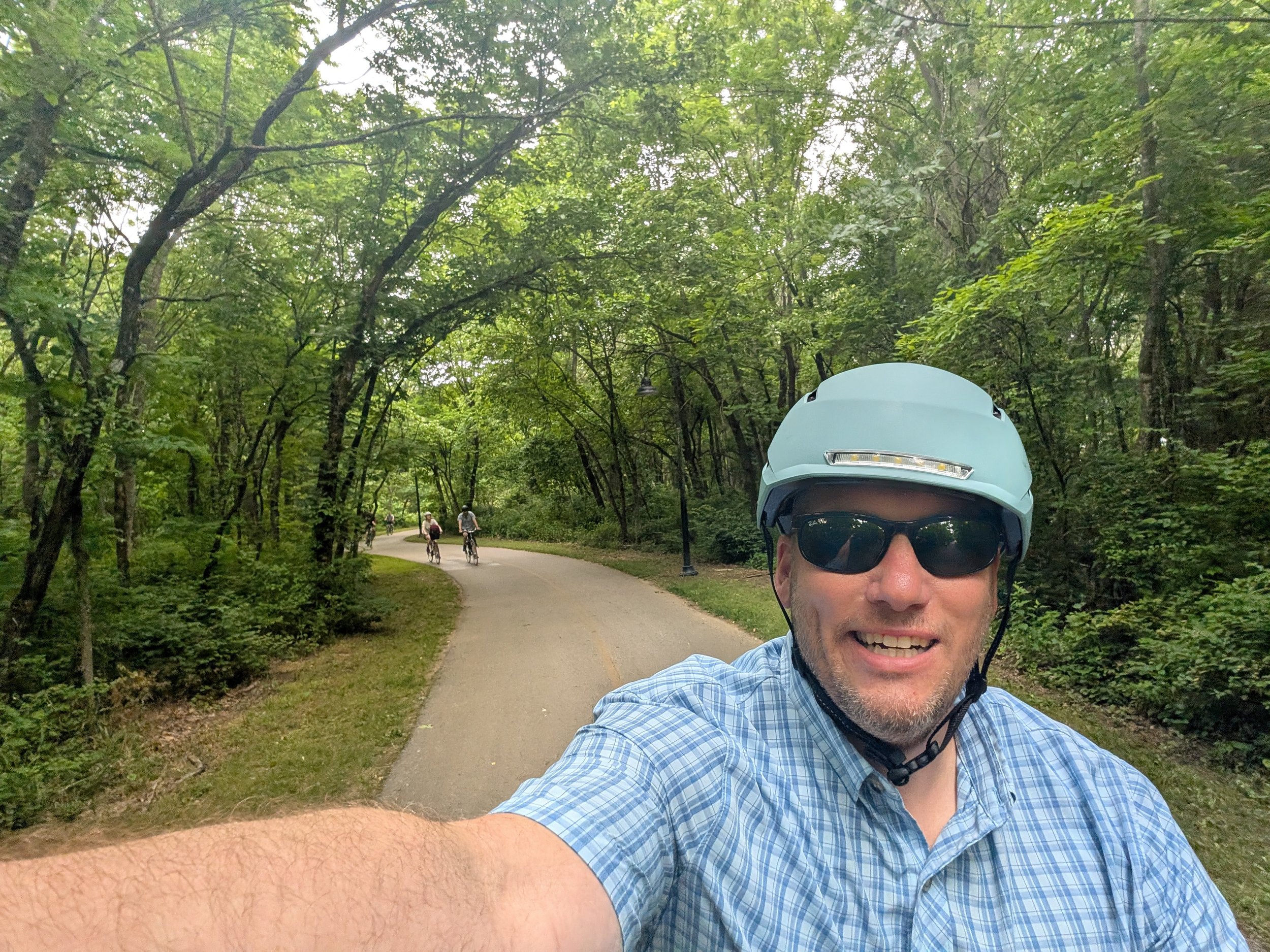
I knew about the famous mountain bike trails, but I didn’t know much about the off‑street greenways. They blew me away. The path was beautiful, comfortable, and felt safe. I loved it so much that I rode the same route, and more, the next day, from Fayetteville to Bentonville, about 54 miles round trip. I never stopped sweating in that thick, heavy air, and at one point a torrential downpour dumped on me, but I couldn’t stop smiling. That pretty much defined my trip and my biggest takeaway, walking, biking, and just being outside is fun.
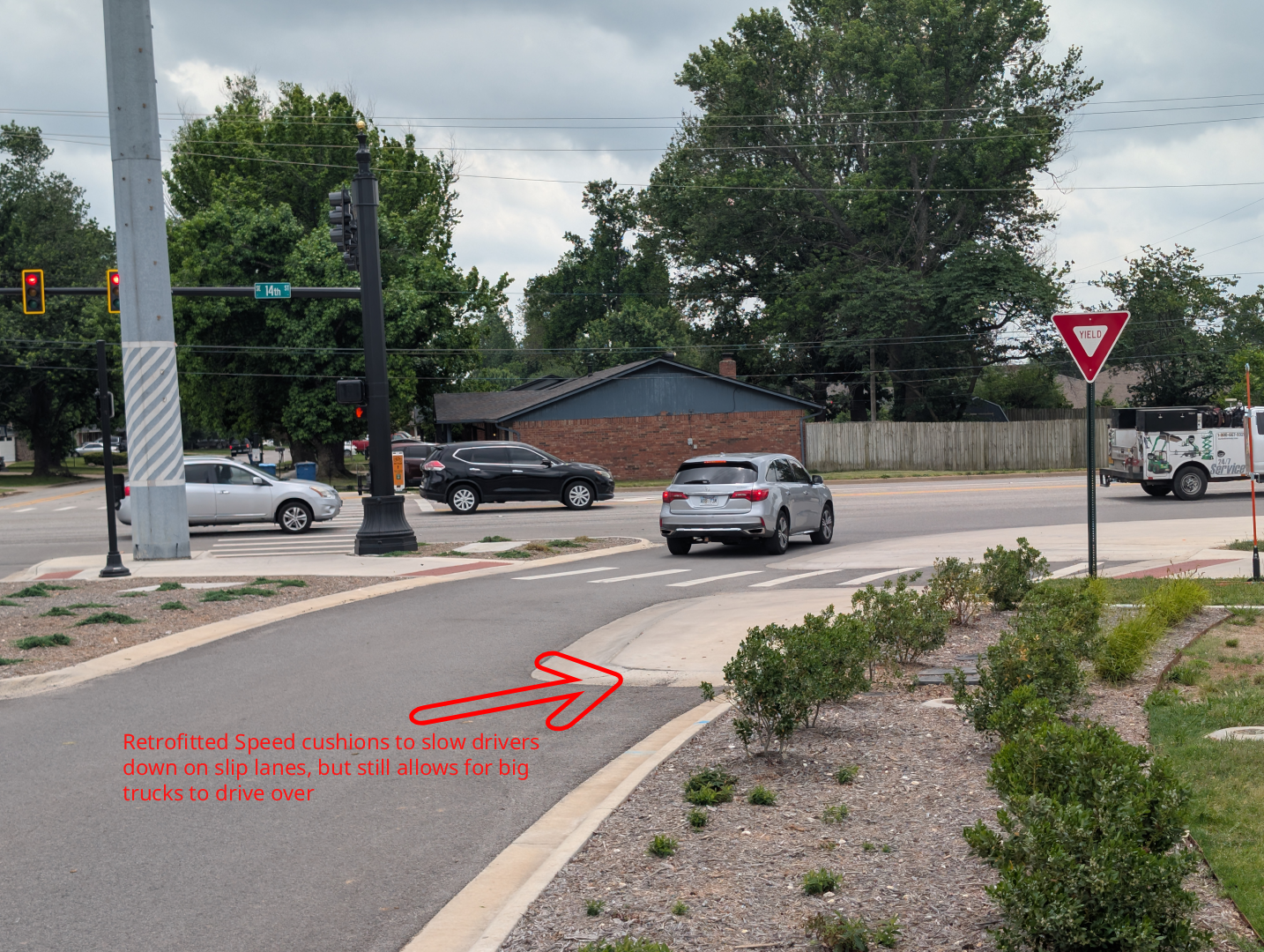
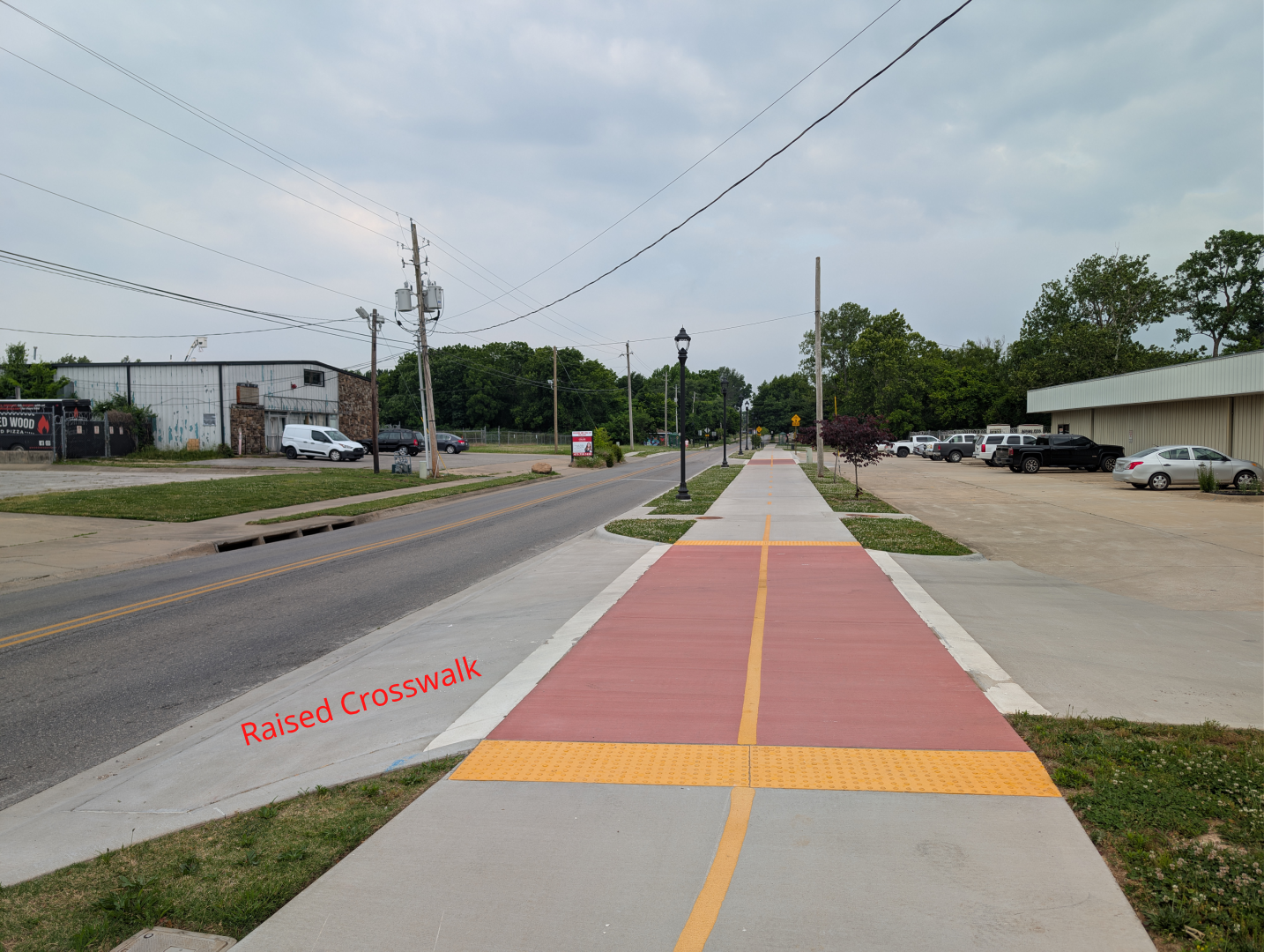
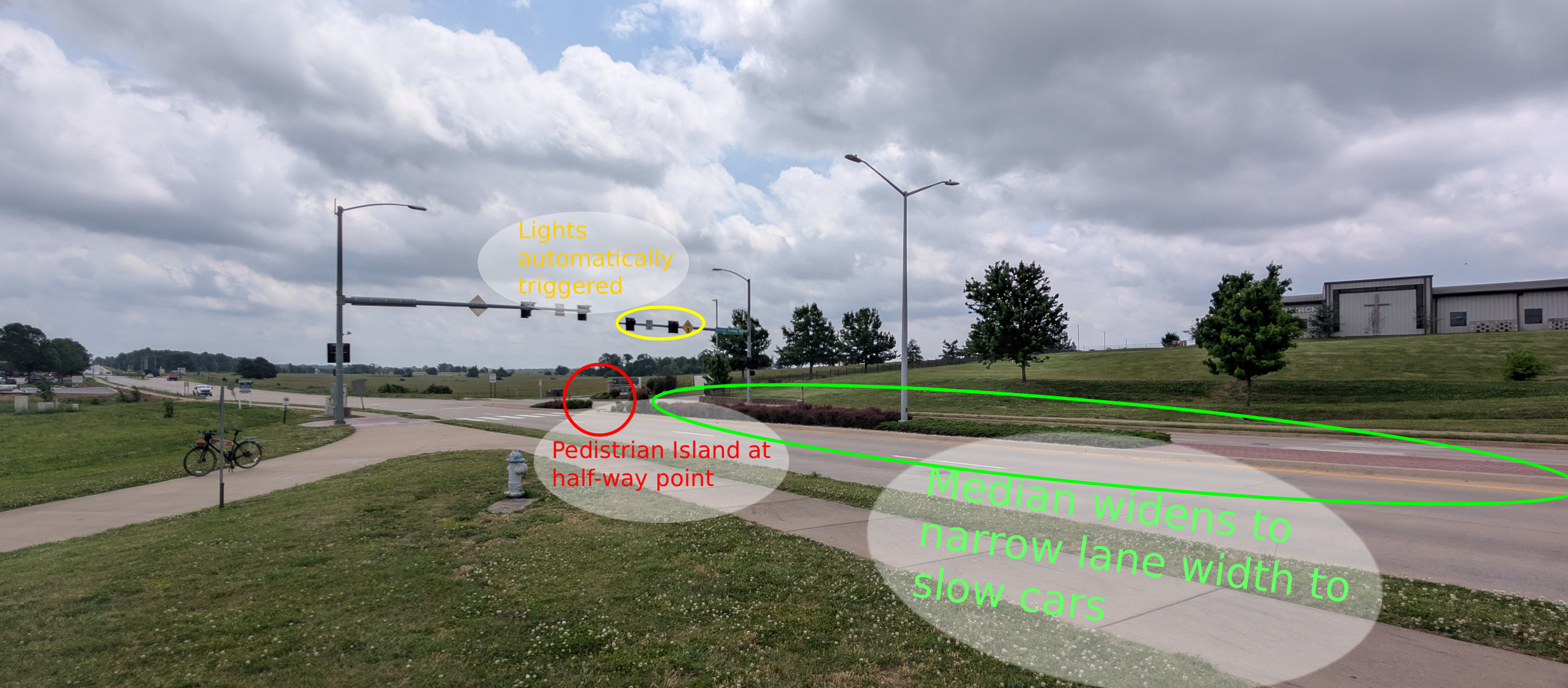
I was also surprised, and a little disappointed, that the cities themselves, at least the parts I saw, weren’t the bike‑safe havens the greenway had led me to imagine. They weren’t bad, but they weren’t jaw‑dropping like the trails. Still, that sense of fun spilled over into the streets, with walkers and bikers everywhere. The simple street changes I did see were enough to noticeably change driver behavior.
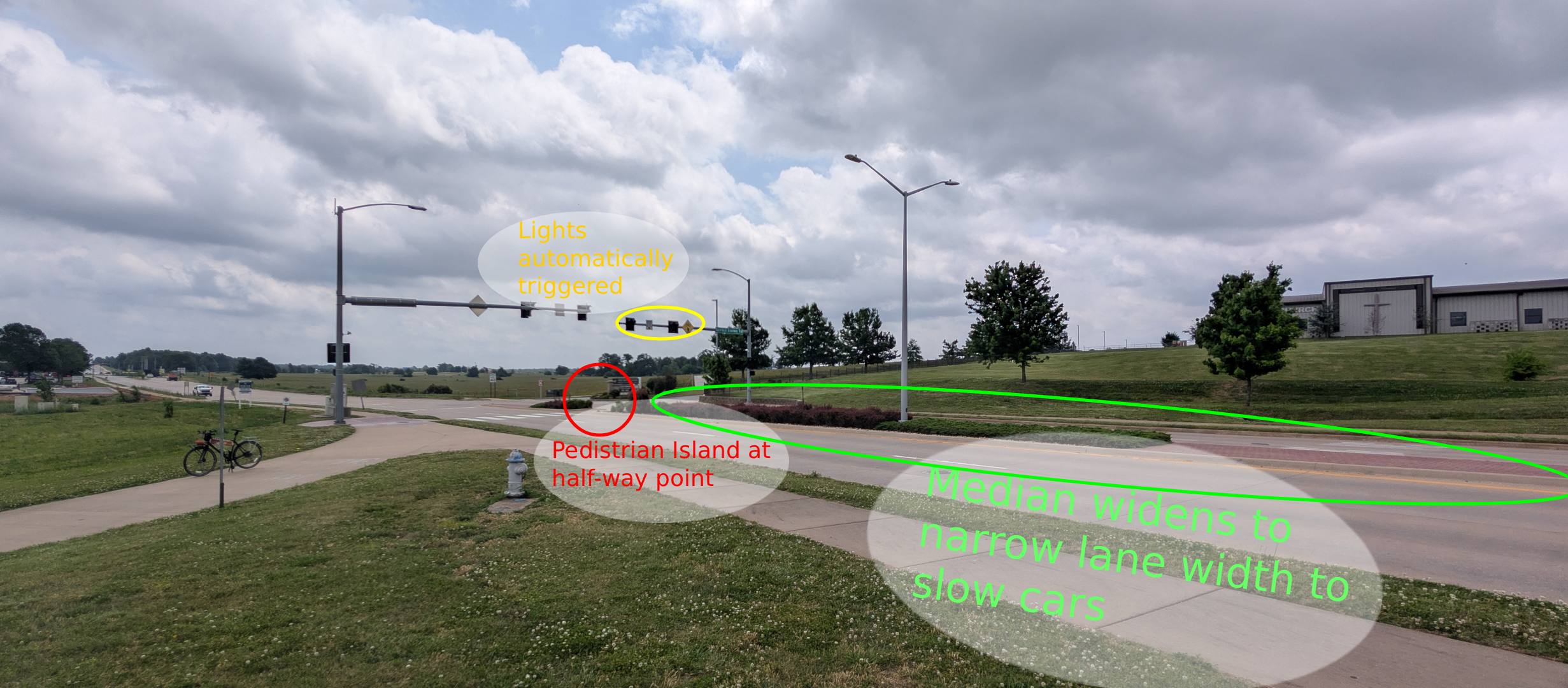
Speaking of driver behavior, I have to tell the weirdest experience I had. The greenway crossed streets in several places, and every single crossing had a stop sign for cyclists, but not for cars. However, the drivers stopped for me, every time. Often they didn’t just stop at the crosswalk, but 10 to 20 feet back. The first time I thought it was a fluke, but then every driver did it. One car even stopped so far away I assumed they were stopping for something else.
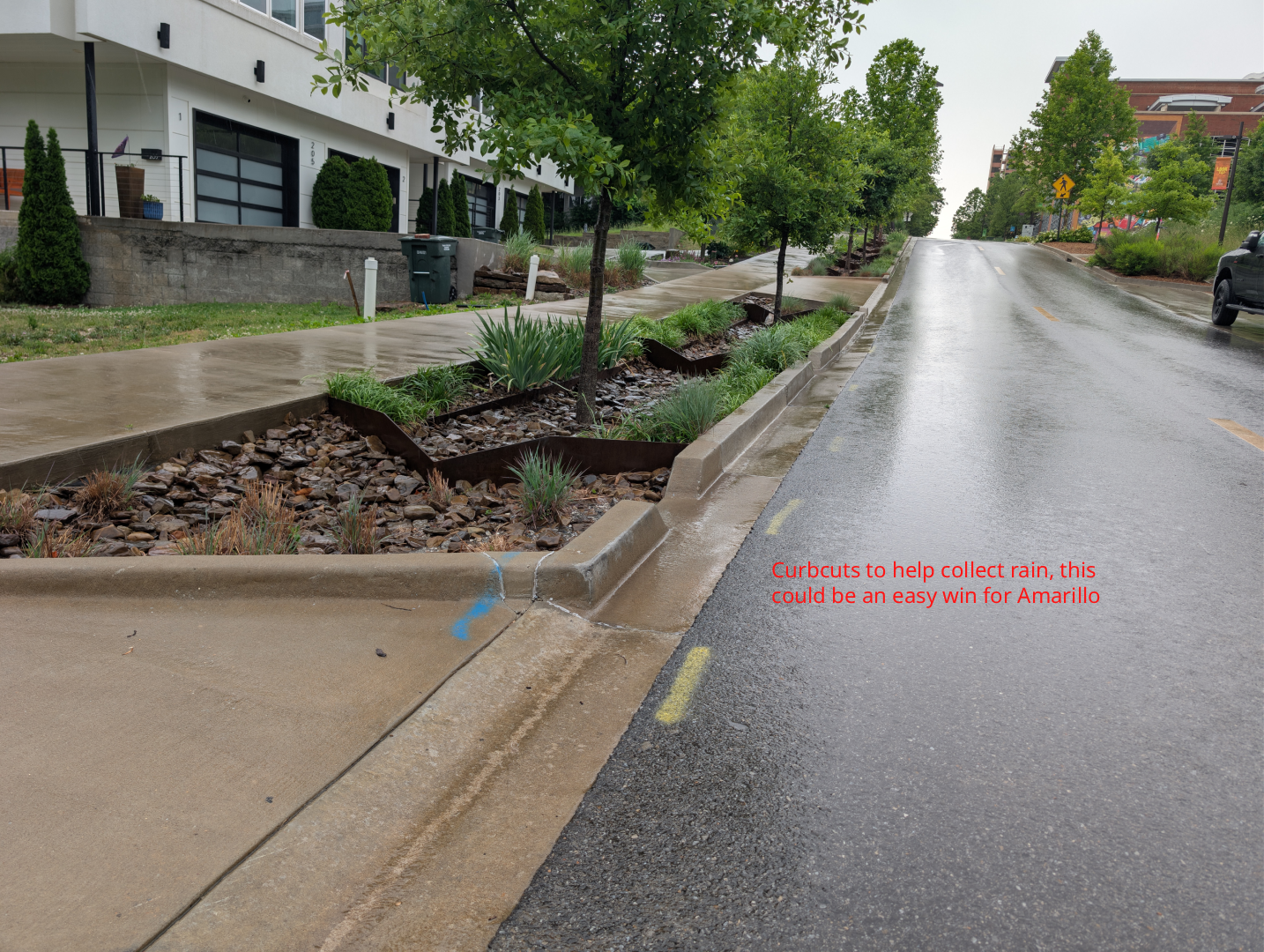
It was easy to see why drivers behaved differently. Lanes were narrowed, many crosswalks were raised or on speed tables, and the roads were often gently curved. All of those design choices naturally slowed drivers down and kept them alert. I took more pictures of street infrastructure than anything else!
There was only one time a vehicle stopped with the bumper right at the crosswalk. The truck wasn’t doing anything technically wrong, but it felt threatening compared to the generous space I’d been shown otherwise. It reminded me of home, where that kind of close stop feels generous and actually blocking the crosswalk is the norm.
Then, upon returning home, I had the privilege of seeing an elderly woman purchase an electric‑assisted tricycle, an e‑trike. She intended to use it for short trips and to walk her dog. She was all smiles, like a little kid who just took off the training wheels. She had a new sense of excitement and freedom about her. We can help our neighbors regain independence and have fun.
There are a lot of reasons to advocate for good causes. This one is easy, because walking, biking, and rolling are fun. When we can inspire and remind people of that, it becomes much easier to show the larger vision of a resilient city that puts humans over cars. Sometimes it can feel overwhelming because we have to fight to keep crosswalks free of cars, but remember: just have fun.
Keep pedaling,
Chris Pittman